
Top Employee Retention Strategies for 2025 Success

Introduction
Employee retention strategies have always been an important part of the success of any organization, but as we move into 2025 it has become more important than ever. As per a report more than 51% of US employees are actively looking to change their jobs, this continues to be an upward trend.
Even though a certain number of turnover is normal for any organization but when that is exceeded it can be a concern. The average employee turnover can vary from 20% in the public sector to 60% professional services and construction according to the U.S. Bureau of Labor Statistics. Approximately 1 trillion dollars are lost by large U.S companies due to voluntary employee turnover, which easily could have been prevented. Companies need to proactively think of ways and strategies to retain their employees as replacing them would cost them a lot. By implementing best employee retention strategies companies can ensure higher levels of productivity and engagement among the employees.
Understanding Employee Retention
Before we discuss what are the best employee retention strategies an organization can implement, it is important to understand what employee retention is. Employee retention refers to the various processes and strategies that an organization uses in order to retain the talent. If an organization is unable to retain its employees it has to spend a considerable amount resources in the process of rehiring for the vacant position. Replacement of managers and higher professionals can cost up to 200% of their salary and for technical roles it can cost up to 80% of their salary, on top of this there's the additional time that will go in order to recruit them, train them and make them job ready.
Only a select employer goes beyond lip service when they say that their employees are their assets, by doing so a company can maintain efficiency and competitive advantage. Employee retention plays a significant role in the organization's long term success and sustainability, a company with high employee turnover is bound to bear the high cost of recruitment, onboarding, training etc and at the same time can lose out on productivity due to understaffing.
High employee turnover can also be a sign of low employee morale and satisfaction, as according to a survey by Gallup 41% of respondents said the reason why they quit their job was the lack of engagement or the culture. The reason for quitting the job can vary depending on the industry as well, like for example constant technological advancements is a challenge in IT, high pressure and burn outs emphasizes importance of employee attrition and retention strategies in BPO industry, etc.
Top Employee Retention Strategies for 2025
Once we have understood the importance of employee retention, it’s now time to understand what are the ways in which employee turnover can be reduced. Below mentioned are 14 effective retention strategies:
Building an engaging work culture: Culture of the organization is very important for most of the employees, when employees feel a strong connectedness with the organization they are four times likely to be more engaged and 41% likely to not look for another job. One needs to create an environment where the employees are rewarded for their efforts and feel they are being heard. Companies need to figure out a way where they can clearly communicate the core value of their organization to the employees and allow them time to internalize them.
Career Development Opportunities: According to the World Economic Forum, 6 out of 10 employees require training before 2027 due to the skill gap. Most of the employees expect their organizations to help them to learn new skills which would help them to stay relevant in the market. By helping employees to upskill themselves the company can not only make sure that they are prepared for the future but also ensure employee retention.
Competitive Compensation and Benefits: One of the main reasons why employees leave a job is when they feel they are being underpaid. Organizations these days are expected to analyze the salaries offered continuously both from the market perspective and from diversity, equity, and inclusion (DE&I) perspective. Employees need to be paid fair and competitive salaries and benefits and would always feel they are not being valued at their jobs.
Work-Life Balance Initiatives: When an employee spends long hours in the office working, it can negatively affect their personal life, when someone carries their job to home they are more likely to feel burnt out and this can lead to higher attrition. Staff retention strategies also include leaders normalizing paid time off, or not always asking people to go the extra mile; this allows them to recharge.
Recognition and Rewards Systems: According to Forbes, 50% of the U.S employees who left the job felt underappreciated. By inculcating frequent appreciation and acknowledgement employee retention can be established. This has to happen both in terms of social recognition as well as financial, employees working extra hard and doing overtime need to be compensated well in terms of wages.
Flexible Work Arrangements: Ever since the pandemic the world has understood the benefit of working remotely. At times a company can increase employee satisfaction by offering them the flexibility to work from anywhere and on flexible hours.
Leadership and Management Training: It is very important for the managers to be trained on how to retain talent. Only 28% of the employees are known to recommend their managers, managers need to be trained on how they can be optimistic, assertive while at the same time empathetic. Their job is to understand the potential of an employee and to provide actionable feedback. Companies who are known to have invested in this have seen 11% increase in profitability.
Focus on Diversity and Inclusion: It is important to understand the need to create a diverse workforce, at the same time the challenges faced by them are also likely to be different. For example a Gen Z employee is likely to be more disengaged in work, or when female employees are not given paid maternity leaves they can be tempted to leave the organization.
Transparency and Open Communication: Clear and transparent communication is the building blocks of any relationship. It is important for the company to clearly communicate various strategies they make to the employees so that they can understand how they are contributing to the bigger picture. By using various tools and employee retention questionnaire samples, companies can ensure that the communication is relevant and not mere background noise.
Technology Integration: In the age of data, HR specialists should leverage various tools that are available to make employee retainment strategies. By analyzing the various data at their disposal they can understand the patterns with respect to the attrition rates, reasons for attrition, etc. One can also use AI to personalize different strategies to reduce employee attrition.
Exit Interviews and Feedback Loops: The purpose of an exit interview is to understand an employee wants to quit. This helps the HR department to understand what are the issues which are causing the attrition, and whether it is something that they need to address. By keeping an open mind and understanding how they can improve the employee experience they can ensure the feedback collected can be utilized to increase the job experience of other employees.
Building a Purpose-Driven Organization: Whenever a person is given some purpose they are likely to be more productive. Another important employee retention strategy is to make sure that the goals of the employees are aligned with the overall goals of the organization. This can be achieved by ensuring the employees understand and relate with the values of the company and also by ensuring clear and transparent communication.
Onboarding Excellence: First impressions are very important which is why onboarding an employee is vital to the businesses success. HR managers are required to make the onboarding experience of an employee smooth and easy. They should help them build connections with the existing stakeholders, understand the culture, answer their questions and overall help them figure out what they have to do.
Tailored Retention Policies: Since all the employees are not the same the reason why they quit is also not going to be the same. It is important to understand the pain point of every employee in order to offer a tailored retention strategy for them. McDonald’s retention efforts are an excellent example of a robust employee retention strategy framework.
Sector-Specific Retention Strategies
The strategies that are taken up by employers in order to retain employees can also vary with respect to the industry they are operating in.
IT
Employee retention in IT can be challenging as there are a lot of new businesses and startups coming up where people can actively contribute to something more meaningful, so ensuring that employees feel valued and appreciated are essential. One way of ensuring this is by providing them autonomy, when the employees are given the ownership of various projects or initiatives they get the chance to display their skills. Another important retention strategy for IT professionals is by providing them with upskilling opportunities, according to a PwC survey only 40% of the employees are investing in the upskilling of its employees.
Hospitality
When it comes to the hospitality industry, employee retention is a critical issue. According to the Bureau of Labour Statistics the annual rate of turnover for Hospitality and Food Services stood at 73.8% with approximately 6% of the employees leaving every month. One of the ways in which this can be curbed is by offering retirement benefits like 401(k) as these are important factors for an employee to work for a long term basis. When the employees know that the company is putting in an effort to secure their future they are more likely to stay for a longer period of time.
BPO
There are various employee attrition and retention strategies in the BPO industry. For example employers can create a flexible working environment for their employees that not only increases their efficiency but also ensures a good work life balance. The HR department can also ensure continuous development of their employees by conducting various programs and seminars. Apart from these they can also ensure retention by offering various performance driven incentives.
Insights from Thought Leaders and Research
When we look at the various materials available on the ways in which employees can be retained we can gain more clarity. Employee retention strategies books like “First, Break All the Rules” by Marcus Buckingham and Curt Coffman discuss how world’s top managers often try to focus on the strengths of their employees and create a supportive environment for them. Another book “Drive: The Surprising Truth About What Motivates Us” by Daniel H. Pink talks about the science of motivation and how that affects employee retention. The author says that the three essential elements of motivation are - autonomy, mastery and purpose. Another book “Never Lose an Employee Again: The Simple Path to Remarkable Retention” by Joey Coleman talks about the importance of creating meaningful relationships with the employees, this makes them more loyal and engaged to the company.
There are some employee retention strategies offered by Harvard Business Review which provides some valuable insights. The key takeaway from them was the importance of career shifting conversations from promotion to progression, creating a supportive culture and ensuring all employees feel valued.
Leveraging Technology for Employee Retention
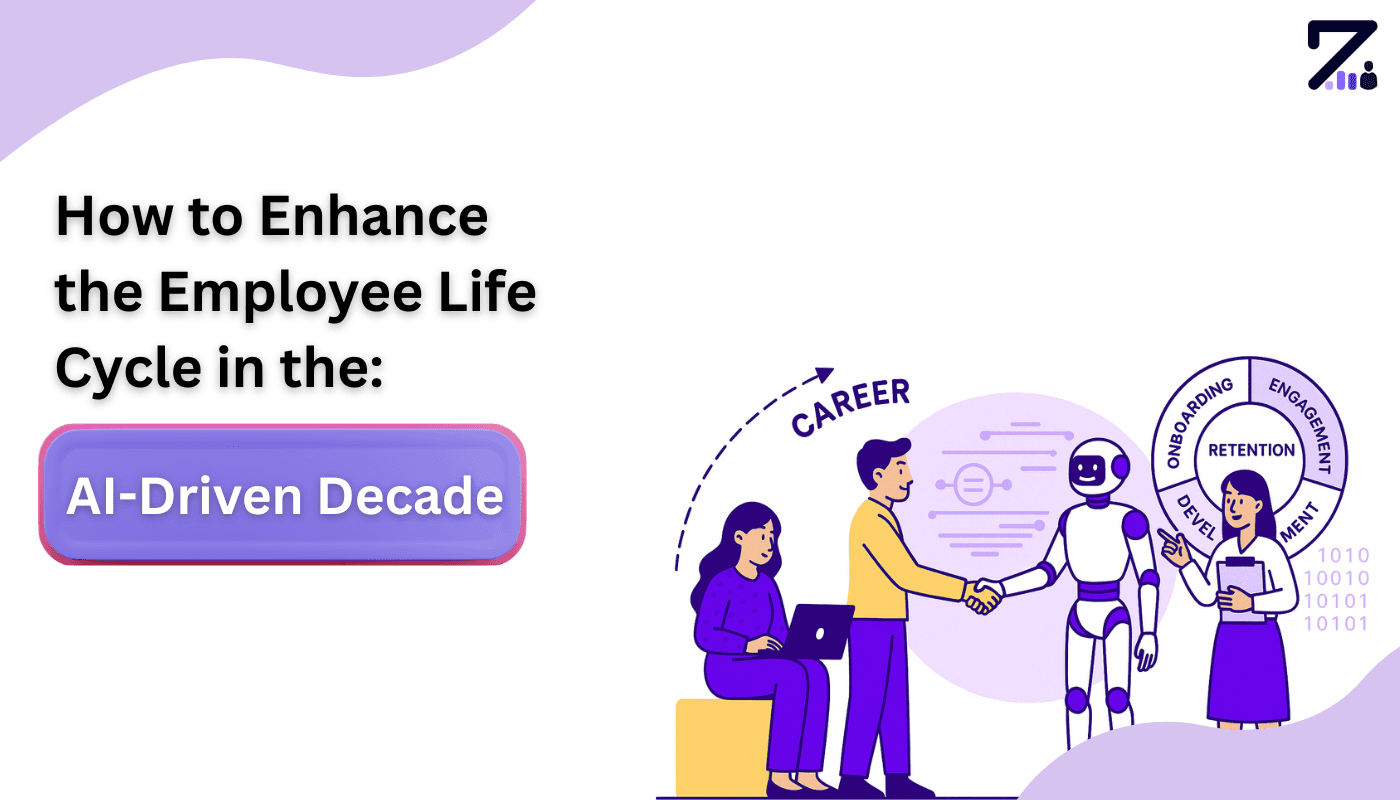
The Human Resource department can highly benefit from the use of advanced HR softwares and AI in the workplace. Imagine the ease with which an employee can be onboarded with the help of AI. AI powered chatbots can help these new hires through routine training programs and can address some of their basic questions. Using AI they can also create a personalized training program for the new employees which the HR team can track to see their progress.
GEN AI in HR can utilize natural language processing to help employees in various internal functions also, they can fetch any documents or information you need saving time and effort. One of the most important employee retention strategies is to constantly collect feedback from the employees, with AI it becomes easy for the company to conduct surveys and analyze the data collected from them and other interactions with the employees to understand their pulse. By using HR analytics one can also identify early signs of burnout or even intention of quitting thereby reducing the employee turnover.
Also read: Top HR Apps for Streamlining Workflows in 2024
Limitations of Employee Retention Strategies
While we have discussed the need for implementing the retention strategies it is also true that high retention has its share of disadvantages too. For example, long term employees might develop a tendency where they are resistant to new or any technological change, this in turn becomes difficult for the organization to implement new ideas. There is also the possibility of employees being disengaged about the job, they might be only interested in the compensation and lack any form of enthusiasm, vision or productivity. These kinds of employees can create a negative environment which can affect other employees too. So this goes to show that even though attrition is not ideal but at times is necessary as well.
Emerging Trends in Employee Retention
As we move into the new world of technology, the future of work is also changing. Companies are now addressing the need to come up with a hybrid model of working as well as working from a remote setup. The companies are now even discussing concepts of work life balance and emotional wellbeing from a much serious point of view. Most of the HR professionals are of the belief that individuals with high emotional intelligence show high signs of productivity at their job. Various AI driven tools are also being used to recruit employees these days, tools like Zeko AI which has made it easier for HR professionals to hire the right people.
Case Studies and Examples
Companies like Infosys have adopted new technologies to retain their staff. As per their Future of Work report of 2023, they have invested heavily in automation tools in order to better manage remote working outcomes. They have created Employee Resource Groups like Women in Technology (WIT) to make sure underrepresented groups can connect and collaborate with each other.
Coca-Cola's culture is distinctive in that it fosters high levels of engagement and satisfaction among its employees by placing a strong emphasis on growth and ongoing learning, providing clear career development tracks, and providing opportunities for skill expansion. Its significant emphasis on diversity, equity, and inclusion also guarantees a welcoming, inclusive workplace where staff members feel appreciated and empowered. When combined with extensive well-being initiatives like financial education, flexible work schedules, and mental health support, Coca-Cola fosters an atmosphere where workers can flourish both emotionally and professionally, which increases retention and loyalty.Apart from this they also have various engagement programs like the "Coca-Cola Ambassador" program where they encourage their employees to share their experiences and promote the brand in general.
Conclusion
Adapting to the challenges is very important to make sure one has a motivated workforce. As the workplace evolves it is important to prioritize employee engagement, upskilling and overall well being of the employees. Key strategies identified for that has been flexible working hours, providing learning opportunities, fostering an inclusive and supportive work culture, and most importantly use of technology like AI to personalize the experiences of the employees.