
Understanding Organizational Culture: Models & Trends | 2025 Updated
INTRODUCTION
Organizational culture, which is popularly called corporate culture, is an intangible force but one to reckon with. Just like culture shapes societies and people, organizational culture does the same job. It exists everywhere in big and small organizations, enterprises, universities, colleges, and government agencies. So, basically everywhere there is a group of people and a sense of community, there's a shared set of principles, norms, values, and philosophies that function to ensure cohesiveness.
The culture of an organization is never inflexible but is driven by various factors and keeps shifting constantly according to them. There is no doubt that organizational culture exists, but there's a lot of debate on what it exactly entails. At its best, it helps in “sense-making” within an organization that is a collective consciousness and understanding of an organization from the core. Thereby, it impacts the employees, influencing their behaviors and work.
Why Is Organizational Culture Important?
In today's workspaces, having a good organizational culture is equivalent to having a successful, thriving business. You can't really drive success if your employees are not productive and satisfied. The culture sets the tone for the same. Reports from Gallup's Global Organizational Culture Indicator validate the same. Employees that feel connected and resonate with their organization's culture are 4 times more likely to be engaged and 62% less likely to burn out.
How does it influence employee behaviors, you might wonder? Well, picture this: you have an interview at two different organizations. The first has collaborative workspaces, employees in casual attire, and open workstations. On the other hand, the second is more formal and corporatelike. There are structured hierarchies, personal chambers, cubicles, formal attire, and a very structured way of doing things. These different environments set different tones and behaviors in their employees. It showcases their organizational culture, which is the shared value systems that impact the way things are done, decision-making, employee productivity and engagement, and business outcomes. So, it won't be wrong to say that organization culture forms the backbone of all organizations.
TYPES OF ORGANISATIONAL CULTURE MODELS AND THEORIES
Culture at the forefront might seem like a very abstract and intangible idea. However, there are several theories that have been formulated to understand what truly makes an organization's culture hit the checklist.
Here are 3 influential models that can help you understand it all better -
Edgar Schein’s Three Levels of Culture: What You See Isn’t Always What You Get
Edgar Schein, a well-known organisational psychologist, came up with a three-tiered structure to unravel how corporate culture works at different organizations.
Artifacts: These are the visible aspects of the work culture that can be seen quite deftly by individuals inside and outside the organization. It includes the dress code, office layouts, mottos, meetings, and the way of working in general. For example, in big organizations like Google and Microsoft, open workspaces are common with informal dress codes, leisure activities at work, and other privileges that increase employee satisfaction and also help these organizations in employer branding.
Espoused Values: These are the official principles and values that are present on paper. For example, Netflix talks about a freedom and responsibility culture, and in many startups, independence, ownership, and open door policies are prevalent, but are these actually practiced?
Underlying Assumptions: This entails what the company actually believes in. If they talk about a flexible work culture and work-life balance on paper but are unable to practice the same, then there's an underlying assumption right there. This reflects the subconscious behavior or value system that operates within the employees.
Hofstede’s Cultural Dimensions: The Key to Thriving in a Global Workplace
Geert Hofstede’s groundbreaking research analyzed workplace culture across 50+ countries, revealing six key dimensions that influence how organizations function.
Power Distance: Do employees expect hierarchy and control (high power distance, like in Japan), or do they prefer equality and open dialogue (low power distance, like in Sweden)?
Individualism vs. collectivism: Are employees rewarded for individual achievements (as in the U.S.), or is teamwork prioritized over personal success (like in China)?
Masculinity vs. Femininity: Do companies value competition and results (masculine, like in Germany), or do they focus on employee well-being and collaboration (feminine, like in the Netherlands)?
Uncertainty Avoidance: Do employees prefer clear rules and stability (as in Greece), or do they thrive in ambiguity and innovation (as in Singapore)?
Long-Term vs. Short-Term Orientation: Are companies focused on quick wins (short-term, like in the U.S.) or long-term sustainability and legacy (as in Japan)?
Indulgence vs. Restraint: Does the culture embrace fun and gratification (as in Mexico), or is self-discipline prioritized (as in Russia)?
Cameron & Quinn’s Competing Values Framework: Which Culture Defines Your Workplace?
Every workplace has a unique culture, but did you know it can be categorized into four distinct types? Cameron and Quinn’s Competing Values Framework breaks culture down into two key dimensions: flexibility vs. stability and internal vs. external focus—resulting in four organizational cultures.
Adhocracy Culture (Innovation-Driven)
Think Google, Tesla, Netflix—fast-paced, risk-taking, and constantly reinventing the wheel. Startups thrive here, but as companies scale, balancing structure with agility is key.
Clan Culture (People-Centric)
Companies like Zappos and Chobani prioritize collaboration, mentorship, and employee well-being. Studies show that businesses with high engagement see 21% higher profitability.
Hierarchy Culture (Process-Oriented)
McDonald's and IBM exemplify this structured, efficiency-driven model. It ensures consistency but can slow innovation. According to Deloitte, organizations should focus on clearly articulating desired business outcomes and use agile practices to improve those goals.
Market Culture (Results-Obsessed)
Amazon and GE focus on competition and performance. While market-driven firms often outpace rivals, burnout is a risk. High-pressure environments can lead to increased stress among employees.
EMERGING TRENDS: DIGITAL TECHNOLOGY’S ROLE IN ORGANIZATIONAL CULTURE
Workplaces aren’t what they used to be. Digital transformation is driving new organizational cultures, changing how we collaborate, innovate, and work. Three major cultural shifts are leading the way:
1: Remote-First Culture: Work from Anywhere, Anytime
Companies like GitLab and TCS have embraced fully remote work, proving that productivity isn’t tied to office walls. A 2023 study by McKinsey found that 87% of workers take the option to work remotely when offered (McKinsey). These companies prioritize asynchronous work, strong documentation, and digital collaboration tools like Slack and Notion.
2: Hybrid Work Culture: The Best of Both Worlds
Firms like Wipro and HCL Tech have adopted hybrid models, blending in-office collaboration with remote flexibility. Research from Gallup shows that hybrid workers report 3.8x higher engagement than fully on-site employees (Gallup). Companies invest in flexible scheduling, digital meeting tools, and outcome-based performance tracking to make hybrid work seamless.
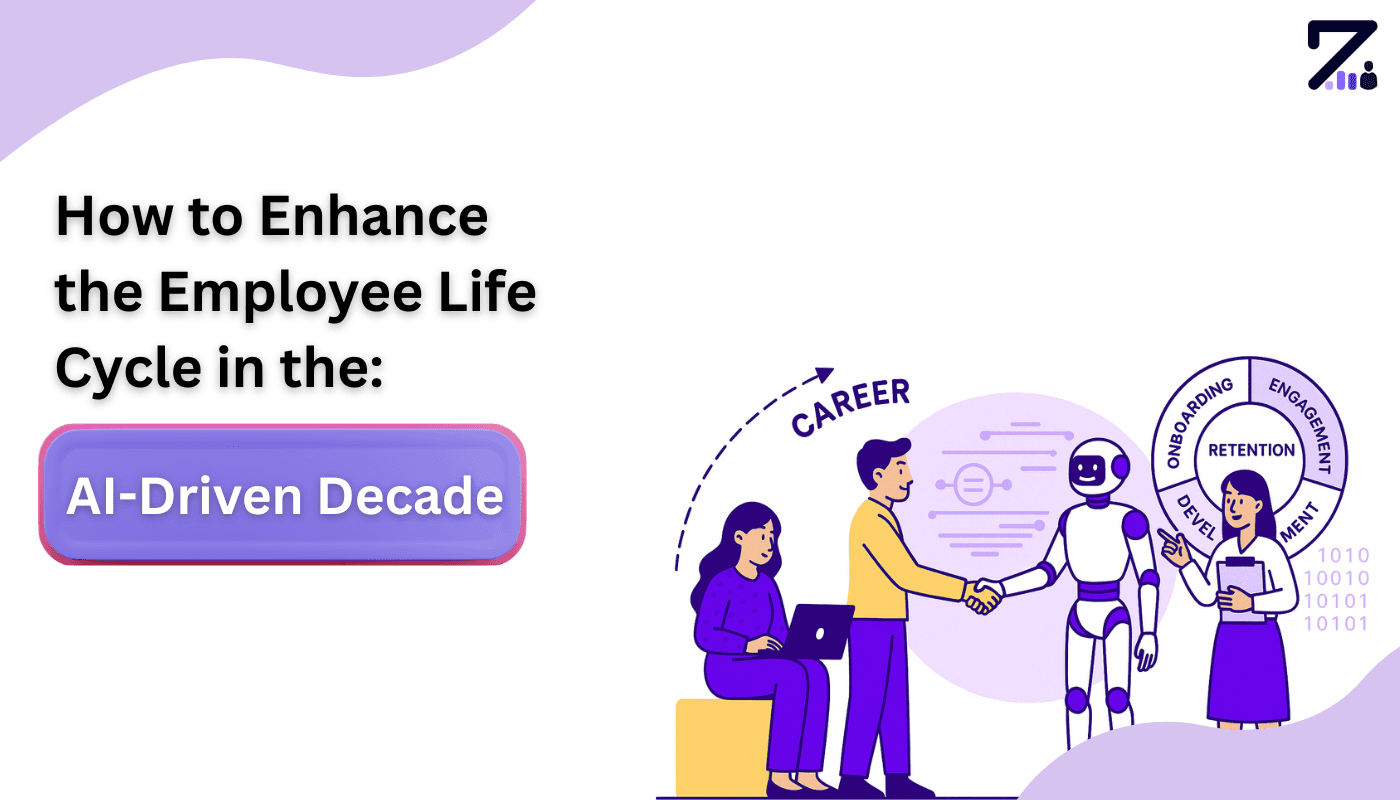
3: AI-Driven Work Culture: Automation Meets Human Ingenuity
From AI-powered hiring tools to predictive analytics, AI is shaping workplaces. 80% of executives say AI boosts productivity, and companies leveraging AI report a 40% increase in efficiency (PwC). AI-driven cultures focus on continuous learning, upskilling, and ethical AI deployment.
The future of work is digital-first. Companies that adapt their culture to these trends will not only survive—but thrive.
CONCLUSION
Organizational culture is more than just an abstract concept—it’s the driving force behind how businesses operate, how employees engage, and how companies evolve. From Schein’s layered framework to Hofstede’s cultural dimensions and Cameron & Quinn’s competing values, various models help us decode the essence of workplace culture. Whether a company thrives on innovation, prioritizes hierarchy, fosters collaboration, or competes relentlessly, its culture shapes every decision and outcome.
In today’s digital age, culture is no longer confined to office spaces. Remote-first, hybrid, and AI-driven cultures are redefining how employees connect and contribute. As businesses navigate these shifts, adaptability becomes key. Organizations that embrace cultural transformation—fostering inclusivity, leveraging technology, and aligning values with actions—are the ones that will lead the future of work.
Ultimately, a strong organizational culture isn’t about rigid rules or one-size-fits-all models. It’s about creating an environment where employees feel valued, motivated, and aligned with a company’s mission. By understanding and evolving culture, organizations don’t just enhance productivity—they build a workplace where people and businesses flourish together.