
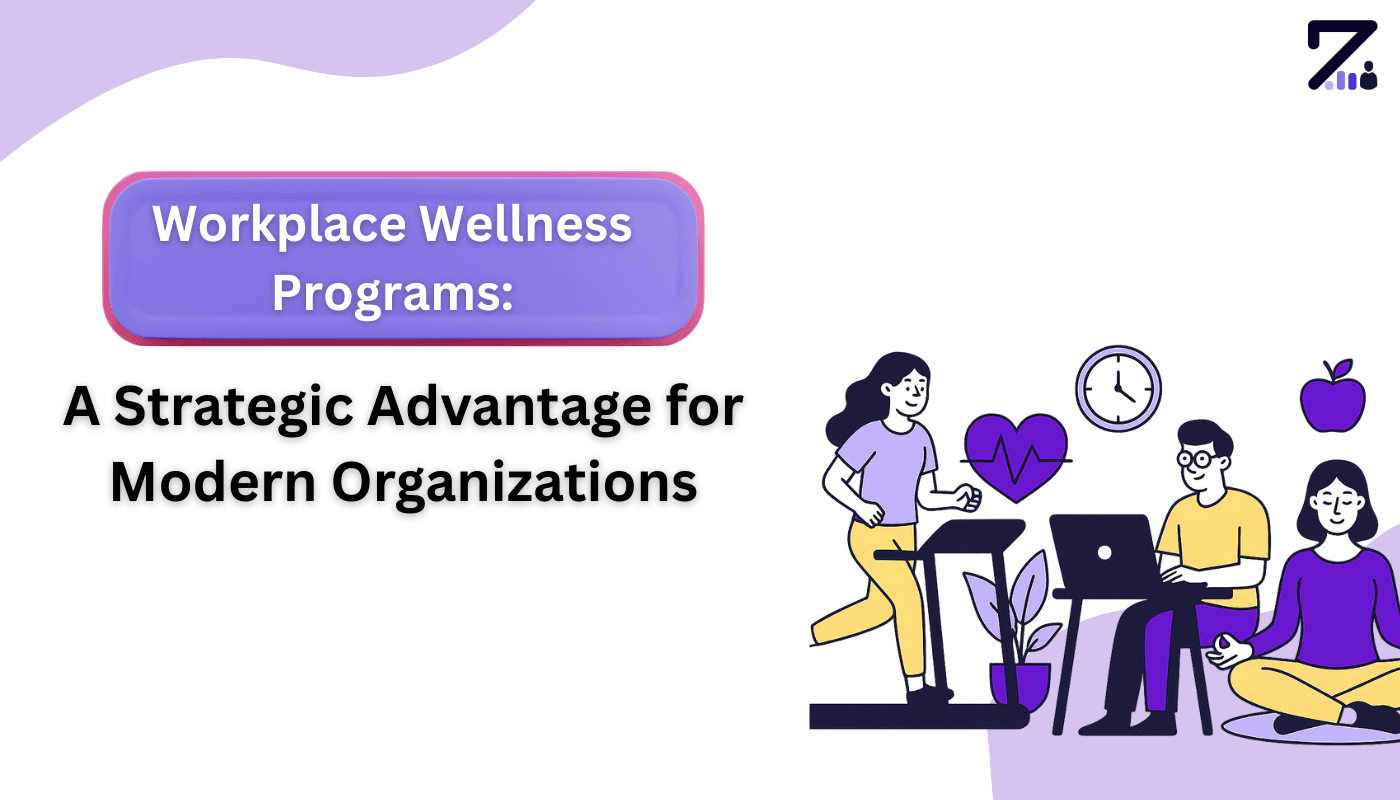
Workplace Wellness Programs: A Strategic Advantage for Modern Organizations
Introduction
In today's dynamic business world, the relationship that exists between the employer and employee has changed, it does not anymore start and end with a pay cheque. Amidst all the busy schedules, extended work hours, numerous meetings and increased workload, it has become essential for organizations to figure out a way to ensure the physical and mental wellbeing of their employees. Workplace wellness programs are basically different kinds of activities undertaken by the employer to improve the health and productivity of individual employees.
The employers can arrange various kinds of activities like fitness challenges, mental health support, healthy eating programs, and stress management workshops. Employees are considered one of the most invaluable assets of the company therefore taking care of their wellbeing is very important. The health and wellbeing of the employees not only has a direct effect on the productivity of the company but also its profits, like employers these days are understanding its importance and hence have increased investment in wellness programs over the years.
The concept of employee wellness is however not new, back in 1943 Abraham Maslow illustrated it using his Hierarchy of Needs triangle. Back in the day employee wellness was only associated with their physical health, however organizations have now understood that it encompasses several other factors like mental wellbeing, emotional resilience, work life balance and an overall sense of belonging in the workplace. The report by World Health Organization (WHO), states that more than 75% of employees consider stress to be one of the primary concerns in their workplace, which reinstates the idea that employers need to create a workplace which is positive and supportive.
Technology is playing a significant role in enhancing engagement and effectiveness of modern wellness programs. Companies are using AI-driven platforms to analyze employee data and personalize wellness plans for them, this ensures that each individual receives tailored support. Along with this wearables in the form of fitness trackers, are helping in monitoring various physical activities and help the employees to meet their personal wellness goals. Moreover organizations are adopting holistic wellness programs for their employees that would address physical, mental, emotional, social, and occupational aspects of well-being.
Benefits of Workplace Wellness Programs
When it comes to the benefits of having a good workplace wellness program, it might not be very obvious in the first but they are essential in the long run. Healthy employees are going to bring a range of benefits as compared to unhealthy ones. A very good example was how Johnson & Johnson leaders noticed that their wellness programs had cumulatively saved them $250 million on health care costs from 2002 to 2008, the overall return was $2.71 for every dollar spent. In this section of the article we aim to understand some of the benefits of implementing a holistic workplace wellness program, highlighting how they are not merely “nice to have” but are in fact a strategic imperative, these benefits are mentioned below:
Increased Productivity & Engagement: It goes without saying that employees who have a habit of eating healthy and exercising are going to be more active and productive than those who do not. A well planned wellness program can reduce stress and increase focus and clarity of the employees. According to the findings of a survey by Social Market Foundation and the Centre for Competitive Advantage in the Global Economy at the University of Warwick, found that employee productivity increased up to 12% when they were offered wellness perks. Another study shows how the cost of low productivity is linked to poor staff health, and it can cost 2 to 3 times the cost of healthcare expenses. This goes on to reinforce the idea that a happier and healthier workforce would be more productive.
Physical & Mental Health Improvements: By conducting various physical and mental wellbeing programs companies can not only ensure employees’ physical and mental health but it can also lead to lower health-related costs, both from the perspective of the employer and the employee. As per reports, about 25% of UK employees feel they have health issues, however only 46% of them feel their employer has done something to support their physical and emotional health. According to a survey by the National Institute of Occupational Health in India, there was a 25% increase in productivity, for organizations with an active fitness program. However these activities are not restricted to gym memberships or eating healthy, there are other dimensions to it as well like - emotional, financial, occupational, social, intellectual, environmental, etc. By ensuring all these aspects are covered organizations can provide their employees complete well being.
Lower Absenteeism: When employees feel healthier and happier they are less likely to take any day offs or sick leaves. This not only leads to increased productivity but also saves a lot of cost to the company in terms of sick pays and temporary cover. Organizations need to value workplace wellness programs as they would help them in achieving lower rates of absenteeism, showcasing they are capable of doing better stress management and inculcating healthy habits. Additionally employees are likely to have a higher morale, they would be excited to show up at work and finish their respective duties. These employees feel welcome and comfortable in the workplace and are motivated to contribute more to the organization.
Improved Employee Retention & Job Satisfaction: According to studies by the Society for Human Resource Management (SHRM), the average cost of replacing a talent is about the monthly salary of the employee for 6-9 months, it can be about 2 times the annual salary when it comes to higher positions. Workplace wellness programs can help in improving employee satisfaction and loyalty, this ensures that valuable employees stay in the organization for longer. Companies that implement these programs witness a higher retention rate, like it can be seen in the case of Volkswagen Group where the managers nurtured the emotional well-being of their teams, which resulted in reducing burnout and fostering a sustainable work environment. According to research by Willis Towers Watson, 75% of employees are likely to stay in an organization that offers them a comprehensive employee benefits package.
Stronger Employer Branding: By offering workplace wellness programs organizations can also attract top talent. By having a wellness program in place a company can brand themselves as an organization that values their employees physical and mental wellbeing, this can help them in differentiating themselves from their competition. By having a positive reputation not only can they attract new talent but also keep their workforce engaged and loyal. Organizations often seek various certifications like “Great Place to Work” that can help in making them a powerful brand and attract, retain and engage with the right kind of people.
Why Wellness Programs Are Essential in Today’s Work Environment
It was not long ago when working 10 hours a day, or doing overtime was a very common thing for corporate employees. However with time the perception of the employers have changed. They now understand the need for a comprehensive wellness program, as they can not only help in increasing employee morale and productivity but also help in saving costs.
Modern workforce has changed a lot with remote and hybrid working models becoming the norm, ever since the COVID-19 pandemic. Remote working is often characterized by blurring of work-life boundaries which can result in more stress. While working remotely the employees are not able to physically meet and collaborate with their peers making the whole experience very dull, and they are more prone to burnouts. According to a report, 76% of employees experience burnout at some point of time, while 28% feel they are burnt out “very often”.
According to a McKinsey Health Institute report, investing in employee health companies can generate up to $11.7 trillion in global economic value. This goes to show that employee wellness is directly related to the overall success of the business. Healthier and happier employees are less likely to be absent from work due to falling sick or not being motivated enough. Companies and employees both can save a lot of money by starting these preventive measures.
The HR leaders and the CEOs view wellness as a long-term investment for both the organization as well its employees. According to Accenture, 89% of the respondents believe CHRO is going to play a central role in ensuring long-term growth. When it comes to implementation of the various wellness programs, organizations can derive various long term values from them. For example, it can increase productivity of employees and reduce turnover. There are other financial returns that top management can expect in terms of saving on medical expenses, reduction in absenteeism cost and reduction in employee replacement cost. Therefore by considering wellness as a long-term investment, HR leaders and CEOs can help in creating a supportive work environment that fosters employee well-being, drives business success, and ensures sustainable growth.
Key Components of an Effective Workplace Wellness Program
There are various components of an effective workplace wellness program, some of them are mentioned below:
Health and Wellness Activities: One of the most popular aspects of wellness activities are those activities that are aimed to improve the physical health of the individuals. Organizations can arrange various forms of fitness challenges like step challenges, monthly marathons, etc for their employees. This helps in creating a friendly competition among them and also improves their health. Some organizations also organize yoga classes for their employees. Yoga is known to reduce stress and help people relax. According to ASSOCHAM in 2021, 53% of companies had introduced yoga in their workplace wellness programs. Apart from this the concept of Mental Health Day is also very popular among corporates where they allow their employees to take days off from work and rejuvenate and recharge themselves.
Nutritional Wellness Initiatives: One aspect of staying fit is to exercise but another very important aspect of it is to eat right and eat healthy. Offices should start by providing nutritious snacks to its employees there by inculcating healthy eating habits among them. Organizations can also partner with various local meal delivery services, so that they can offer healthy and timely meal options for employees. Some of the employees might have specific dietary constraints that can also be addressed by customized meal plans. Some of the companies can provide additional benefit in terms of Dietary Counseling, that can provide the employees advice and support.
Mental Wellness & Stress Management: Organizations provide Employee Assistance Programs (EAPs), which aims to give employees facing any personal or work related issue confidential counselling and support. EAPs can help in addressing various kinds of issues such as stress, anxiety, and financial concerns. Employers also provide licensed therapists for one-on-one sessions with the employees, this can help employees in addressing and resolving various mental health issues effectively.
Financial Wellness Support: Companies can also provide its staff with various financial literacy workshops that would cover concepts of budgeting, saving, and how to manage personal finances. According to a PwC survey, over 60% of the employees are stressed about their finances, therefore these workshops can offer them guidance on investments, retirement planning, and wealth management.
Leveraging Technology for Workplace Wellness
The use of technology has changed how companies approach workplace wellness. There are various forms of tools and softwares that can be used to promote physical, mental and emotional well being of the employees. Some of these are mentioned below:
Employee Wellness Software: These are softwares that can perform a wide range of activities like tracking the physical activities like calories burnt or providing dietary plans and tracking nutritional intake. They also use gamification in order to promote healthy competition among employees in the form of fun interactive wellness challenges. Some of the popular examples are Terryberry's Be Well, VantageFit, Wellable, etc.
AI-Powered Health Coaching apps: These apps use AI to provide completely customized wellness plans for individual customers depending on their requirements. They can be used to prepare personalized fitness routines, dietary plans, and mental wellness strategies.
Wearable Tech & Data Analytics: Using wearables like smartwatches and fitness trackers one can keep track of various metrics like duration of physical activities, sleep pattern, heart rates, etc. This data collected can be used in creating employee wellbeing activities.
Virtual Wellness Solutions: Virtual wellness solutions can help in providing remote access to healthcare services. Using telehealth platforms employees can consult healthcare professionals without physically visiting their clinic, along with that one can also use meditation apps like Headspace and Calm to get guided meditation sessions.
How to Improve Corporate Wellness Programs for Maximum Impact
Some of the ways in which organizations can increase the effectiveness of their wellness programs are listed below:
Personalization: By making the programs more personalized organizations can address the unique needs of every employee. This can be done by doing a survey to understand employees' health interests, goals, and preferences; followed by customizing wellness activity according to that.
Leadership Involvement: The leadership of any organization plays a crucial role in the successful execution of any wellness activity. The top management is expected to continuously communicate the benefit of workforce wellness programs to the employees and make sure that the employees have access to required resources and support.
Gamification: The management can make these programs more interactive by creating friendly competition among the employees, through daily challenges and activities. Through various incentives like badges, leadership boards, gamification increases the engagement of the employees.
Feedback & Iteration: Employers can ensure continuous learning by regularly collecting feedback from the learners about their experiences. This data hence collected can be analysed to identify trends and areas of improvement.
Conclusion & Key Takeaways
In conclusion it can be said that in today’s dynamic world workplace wellness programs have become essential in order to maintain a healthy, productive, and engaged workforce. As the way workforce functions changes with remote and hybrid means of working, investing in these initiatives is no longer a luxury but a necessity for organizations in order to stay competitive.
By implementing a proper wellness program an organization can develop healthier and happier workforce who are more motivated and engaged. This leads to higher productivity and better quality output from the employees. It also helps in reducing the rate of absenteeism and increases employee retention. When employees feel respected and valued, they are more likely to be loyal to the organization and be committed to working there.
HR professionals are on the lookout for various tools and softwares which would help them in planning and managing these welfare activities. Using AI organizations are creating tailored learning paths for employees providing them real time updates and feedback to cater to their unique needs. They also collect feedback from the employees to use the data to refine and improve wellness programs. The HR leaders and the top management should actively take part in these initiatives and foster a sense of well being. Employees these days prioritize a supportive and healthy environment so that they can thrive, and be happy working in the firm. Hence companies need to actively look out for various tools and strategies to improve their workplace wellness programs.